






















Scouts, Guides, Brownies, Cubs, Beavers, Rainbows, youth football teams, gymnastics clubs, swimming squads, dance schools, martial arts classes, drama groups, and after-school activity clubs. Middlewich has a thriving community of youth organisations run by dedicated volunteers and coaches who give up their time to provide opportunities for local children and young people.
These leaders are responsible for children in active, often physical settings where injuries are not just possible but likely. A child falls from a climbing wall during Scouts. A young footballer takes a blow to the head during a match. A gymnast lands awkwardly and breaks a wrist. A Brownie has an asthma attack on a nature walk. A child at drama club has an allergic reaction to face paint.
In each of these situations, the leader is the responsible adult. They are the person who must assess the injury, provide first aid, decide whether to call an ambulance, manage the other children, and communicate with parents. Having paediatric first aid training is what makes the difference between handling that situation competently and being completely overwhelmed by it.
We are PCT Services, and we deliver Qualsafe Awards accredited paediatric first aid training from our training centre at First Floor, 2 Queen Street in Northwich, about a 5 minute drive from Middlewich. We also deliver on-site training for groups.
Why youth group leaders need paediatric-specific training
Standard first aid at work training covers adult emergencies. It teaches CPR, choking, bleeding, burns, and shock using adult techniques. But children are not small adults. The techniques are different, the causes of emergencies are different, and the assessment is different.
CPR for a child uses different compression depths and a different ratio of compressions to breaths than for an adult. For an infant, compressions are performed with both thumbs placed together rather than the heel of the hand. Choking management also changes with age: an infant is given back blows and chest thrusts, while a child over one is given back blows and abdominal thrusts adapted to their size. Febrile convulsions are a paediatric emergency that does not occur in adults. Meningitis presents differently in children and progresses more rapidly.
If you lead a youth group in Middlewich and you have only completed adult first aid training, you may find that your skills do not directly apply to the children in your care. Paediatric first aid training bridges that gap.
Which course is right for youth group leaders?
Emergency Paediatric First Aid (1 Day)
This is the course we recommend most often for youth group leaders, sports coaches, and activity club volunteers. It covers the core life-threatening emergencies in a single day: infant and child CPR, choking management for babies and children, severe bleeding, burns and scalds, and unresponsiveness.
It is Qualsafe Awards accredited, costs £75 plus VAT per person, and the certificate is valid for three years. It is practical, hands-on, and focused on the emergencies where speed and confidence matter most.
For a Scouts leader, a football coach, or a dance teacher in Middlewich, this course provides the essential skills to manage the emergencies that are most likely to occur during activities with children and young people.
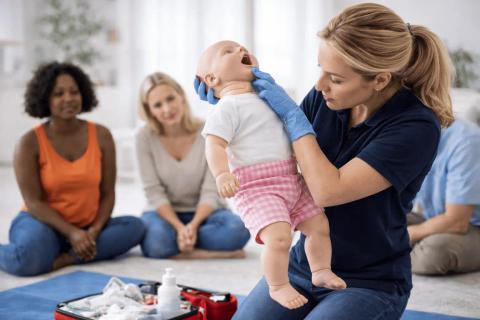
Emergency Paediatric First Aid
The Qualsafe Level 3 Award in Emergency Paediatric First Aid (RQF) is a regulated and nationally recognised qualification. Your trainer is a Registered Nurse with many years of clinical experience within Emergency Departments who trains Advanced Paediatric Life Support to medical and nursing staff in acute hospital environments.
Paediatric First Aid (2 Day)
The full two day course covers everything in the one day course plus a wider range of paediatric emergencies: febrile convulsions, allergic reactions and anaphylaxis, meningitis, head injuries, fractures, asthma, seizures, and more. It combines one day of e-learning with one day of practical training.
It costs £95 plus VAT per person and the certificate is valid for three years. This is the right choice for leaders who want the most comprehensive level of training, particularly if they run residential camps, overnight stays, or activities in remote outdoor locations where help may take longer to arrive.
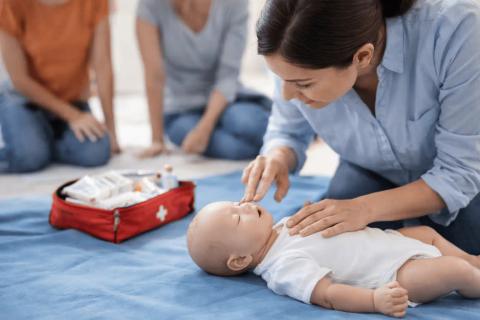
Paediatric First Aid (2 Day) *OFSTED & EYFS*
This Qualsafe Level 3 Award in Paediatric First Aid (RQF) is a regulated and nationally recognised qualification which is OFSTED and EYFS compliant. Your trainer is a Registered Nurse with many years of clinical experience within Emergency Departments who trains Advanced Paediatric Life Support to medical and nursing staff in acute hospital environments.
Northwich Training Centre, Northwich
Fully booked · 4 dates available
Combined EFAW and Paediatric First Aid
If you are a youth group leader who also wants workplace first aid skills, our combined course delivers both qualifications in a single package. Starting from £95 plus VAT, it covers adult and paediatric emergencies in an integrated format. This is useful if you run activities that involve both children and adult volunteers or parents.
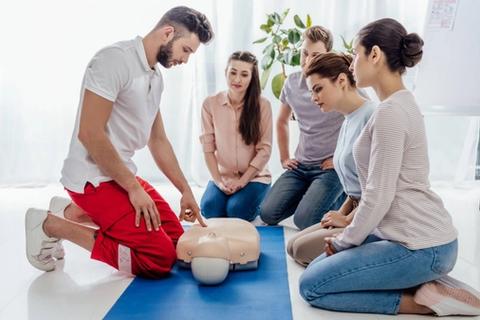
Combined Emergency First Aid at Work and Emergency Paediatric First Aid
This combined Qualsafe Level 3 Award in Emergency First Aid at Work (RQF) and Emergency Paediatric First Aid (RQF) is a regulated and nationally recognised qualification and is HSE and OFSTED compliant. Your trainer is a Registered Nurse with years of experience in Emergency Departments who trains Advanced Life and Advanced Paediatric Support to medical and nursing staff in acute hospital environments.
Northwich Training Centre, Northwich
Fully booked · 4 dates available
What youth group leaders should be prepared for
The emergencies that are most common in youth group settings are different from those in a typical workplace.
Impact injuries from sports, climbing, running, and physical play. Broken bones, sprains, head injuries, and concussions are all realistic possibilities. Knowing how to assess the severity, immobilise a fracture, and recognise the signs of a concussion is essential.
Choking during snack time, campfire cooking, or any activity that involves food. Young children in particular are at risk, and the technique for managing choking in a child is something every youth leader should know.
Asthma attacks triggered by exercise, cold air, or allergens. If a child in your group has asthma, knowing how to recognise a severe attack and support them while they use their inhaler can prevent the situation from escalating.
Allergic reactions from food, insect stings, or materials. If a child has a known allergy and carries an adrenaline auto-injector, you should know how to use it. Even if you have not been told about any allergies, being able to recognise anaphylaxis and act quickly is critical.
Burns from campfires, cooking activities, or hot water. Outdoor activities with Scouts and Guides frequently involve fire, and knowing the correct first aid for burns is essential.
Environmental emergencies including hypothermia during winter activities, heat exhaustion during summer events, and near-drowning during water-based activities. The paediatric first aid course covers how to manage these situations in children.
Training as a team
If your Middlewich youth organisation has multiple leaders, training together is the best approach. You learn as a team, you discuss your specific activities and risks, and you develop a shared understanding of how to respond in an emergency. When something goes wrong during a Scout camp or a football match, a team that has trained together responds more effectively than a team where only one person has the skills.
For groups of six or more, we can arrange on-site training at your meeting hall, clubhouse, or community centre. We bring all the equipment and tailor the scenarios to the activities your group does.
Or attend at our Northwich centre
For individual leaders, our scheduled courses at First Floor, 2 Queen Street in Northwich run throughout the year. It is about a 5 minute drive from Middlewich. Check the live dates on our Emergency Paediatric First Aid page, our Paediatric First Aid page, or our Combined EFAW and Paediatric page.
Book your training
If you lead a youth group, coach a sports team, or run an activity club for children in Middlewich, check the upcoming dates on our course pages or give us a call on 07958 915146. The children in your group trust you to keep them safe. Paediatric first aid training makes sure you can.
Topics

Written by
Founder
- Registered Nurse / Specialist Practitioner Emergency Care
- Advanced Paediatric Life Support Instructor
- Immediate Life Support Instructor
- Independent Non Medical Prescriber
- Post Graduate Certificate in Education
I have practiced as a registered nurse for over 34 years, 29 within a senior nursing position within Emergency Care and as a part time lecturer at the University of Manchester. I am a Resuscitation Council (UK) and Advanced Life Support Group Instructor for Advanced Paediatric…
Read more about Jennie

